Smart Tips for Integrating AI into Your Workplace
0 Comments
ai

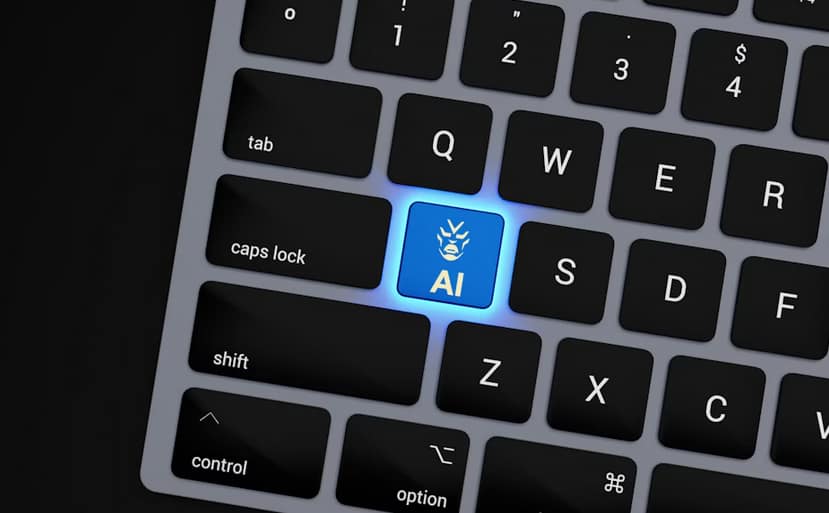
“Where there is wisdom, there is direction.” This old saying reflects how modern workplaces are shifting toward smarter, data-driven decision-making. Artificial intelligence is no longer a future concept—it is already shaping how businesses operate, communicate, and deliver results. From automating repetitive tasks to improving analysis and forecasting, AI is becoming a powerful tool across different industries. However, successful adoption requires more than simply installing new software. It demands planning, employee readiness, and clear goals. Many organizations struggle because they introduce AI without structure or understanding. This article explores practical and effective strategies for integrating AI into your workplace in a way that improves productivity, supports employees, and creates long-term value for your organization.

Start With Clear Business Objectives

Before introducing AI tools, it is important to define what your organization wants to achieve. AI should solve specific problems rather than be adopted for trend purposes. Identify areas where efficiency is low, tasks are repetitive, or decision-making can be improved. For example, AI can be used for customer service automation, data analysis, or scheduling systems. Having clear objectives helps guide tool selection and implementation. Without direction, AI adoption can become disorganized and less effective. A focused approach allows businesses to measure progress and evaluate whether the technology is delivering real value.

Choose the Right AI Tools for Your Needs

laptop

Different AI tools serve different purposes, so selecting the right ones is essential. Some tools are designed for communication, while others focus on analytics, automation, or project management. Understanding your workplace needs helps in making better decisions. Avoid adopting too many tools at once. Instead, start with one or two solutions that address your most pressing challenges. This gradual approach reduces confusion and allows employees to adapt comfortably. Over time, additional tools can be introduced based on performance and feedback.

Train Employees for Effective Adoption

Technology alone does not guarantee success; people play a major role in implementation. Employees need proper training to understand how AI tools work and how they can be applied in daily tasks. Training sessions should focus on practical usage rather than technical complexity. When employees feel confident using AI, they are more likely to embrace it. Encouraging questions and hands-on learning helps reduce resistance to change. A well-prepared workforce leads to smoother adoption and better results.

Maintain a Balance Between AI and Human Skills

While AI can handle data processing and repetitive tasks, human judgment remains essential. Creativity, emotional intelligence, and critical thinking are areas where humans still excel. A balanced approach allows AI to support employees rather than replace them. Workplaces should define clear roles for AI systems and human workers. This ensures that technology enhances productivity without reducing the value of human input. Combining both strengths leads to better decision-making and improved outcomes across departments.

Monitor Performance and Adjust Continuously

team

AI integration is not a one-time process. It requires continuous evaluation to determine whether systems are performing effectively. Regular monitoring helps identify issues early and allows businesses to make necessary adjustments. Gather feedback from employees who use the tools daily. Their insights can highlight challenges and areas for improvement. Data-driven evaluation helps refine processes and improve efficiency over time. Flexibility is key to long-term success in AI adoption.

Prioritize Data Security and Privacy

AI systems often rely on large amounts of data, making security a top priority. Businesses must take steps to protect sensitive information from unauthorized access. This includes setting access controls, using secure platforms, and following data protection regulations.

Employees should also be educated about safe data practices. A strong security framework builds trust and reduces risks associated with digital transformation. Protecting data is essential for maintaining both operational integrity and customer confidence.

Integrating AI into the workplace can significantly improve efficiency, productivity, and decision-making when done correctly. Success depends on having clear objectives, selecting suitable tools, training employees, maintaining balance between human and machine capabilities, and continuously monitoring performance. Data security also …


What Is Audiovisual Integration? The Tech Behind Seamless Experiences

0 Comments
working

Audiovisual (AV) integration is one of those behind-the-scenes technologies that you might not notice—unless something goes wrong. Whether you’re attending a corporate meeting, a church service, a concert, or a classroom lecture, the flawless sync of sound, visuals, and control systems can make or break the experience. But what exactly is AV integration, and why is it so important?

In simple terms, AV integration is the process of combining audio, video, and control technologies into one cohesive system that works smoothly and efficiently. It’s not just about installing high-end gear—it’s about making sure every component communicates properly so users can focus on the task at hand, not the tech.

Making Technology Work Together

At its core, AV integration is about creating harmony between different pieces of technology—microphones, cameras, speakers, projectors, screens, and control panels. When integrated well, these devices function as a single, intuitive system rather than a collection of standalone tools. If your business is looking for a reliable av integration company, CSAV Systems offers customized solutions to fit your exact needs. Making it easier to manage everything from video conferencing to digital signage. This kind of integration is especially valuable in environments where tech needs to “just work” without constant troubleshooting.

Integrating AV in Businesses

meeting

Today’s businesses rely heavily on technology to communicate internally and with clients. Whether it’s a small meeting room or a global headquarters, having a fully integrated AV system means presentations go off without a hitch, video calls connect seamlessly, and users can easily control the environment. AV integration also boosts productivity by eliminating delays, reducing IT headaches, and allowing teams to focus on what actually matters—collaboration and decision-making.

Enhancing Education Through Connected Tech

In schools, universities, and training centers, AV integration is transforming the way instructors teach and students learn. Smart classrooms use integrated projectors, interactive displays, audio reinforcement systems, and streaming capabilities to bring lessons to life. These setups also make remote and hybrid learning more effective by ensuring that students, whether in-person or online, get the same high-quality experience.

Creating Impactful Experiences at Events

microphone

Live events—from concerts and conferences to fundraisers and worship services—depend on AV integration to deliver powerful experiences. Coordinating sound, lighting, visuals, and video feeds requires more than just good gear; it needs a well-thought-out system that’s easy to manage. When everything is working in sync, the audience doesn’t think about the tech—they’re just immersed in the moment. That’s the magic of effective AV integration.

Making Spaces Smarter and More User-Friendly

One of the biggest benefits of AV integration is usability. An integrated system can often be controlled from a single interface, like a wall-mounted touchscreen or mobile device. This makes it easy for anyone—even those without technical expertise—to adjust lighting, launch a video call, or display content on multiple screens. The result is a smarter, more responsive environment that adapts to different needs and users.

Audiovisual integration might not always be visible, but it’s vital to the smooth operation of countless spaces—from boardrooms to classrooms to concert venues. When done right, it makes technology feel effortless and unobtrusive, allowing people to focus on communication, creativity, and connection. Whether you’re upgrading a single room or designing a system for an entire building, AV integration helps bring it all together in a way that truly works.…


The Top Eco-Tech Solutions Making Waves in Sustainability

0 Comments
sustainable

In a world where environmental consciousness is more important than ever, eco-tech solutions are leading the way in sustainability innovation. From renewable energy sources to cutting-edge recycling technology, these top eco-tech solutions are making waves and paving the path towards a greener future. Join us as we explore some of the most exciting advancements in sustainable technology that are shaping the world for generations to come.

Renewable Energy Technologies

wind

Renewable energy technologies such as solar, wind, and hydroelectric power play a crucial role in reducing reliance on fossil fuels and mitigating greenhouse gas emissions. Solar photovoltaic (PV) panels, for example, harness the power of sunlight to generate electricity cleanly and efficiently.

Wind turbines convert kinetic energy from the wind into electrical power, while hydroelectric dams use flowing water to generate electricity. These renewable energy sources are becoming increasingly cost-effective and scalable, making them viable alternatives to traditional fossil fuel-based power generation.

Energy-Efficient Buildings

Energy-efficient buildings are another key area of focus in eco-tech solutions, as buildings account for a significant portion of global energy consumption and carbon emissions. Green building technologies such as energy-efficient insulation, LED lighting, smart thermostats, and passive solar design help reduce energy use and lower carbon footprint.

Building automation systems can optimize energy efficiency by controlling heating, cooling, lighting, and other building systems based on occupancy, time of day, and environmental conditions. These technologies not only save energy and reduce operating costs but also create healthier and more comfortable indoor environments for occupants.

Sustainable Transportation Solutions

Transportation is a major contributor to air pollution, greenhouse gas emissions, and urban congestion, making it a prime target for eco-tech innovations. Electric vehicles (EVs) are gaining traction as a cleaner and more sustainable alternative to traditional gasoline-powered cars, thanks to advancements in battery technology and charging infrastructure.

Public transit systems powered by renewable energy sources such as electricity and biofuels are also reducing emissions and congestion in urban areas. In addition, shared mobility services such as bike-sharing and car-sharing platforms are promoting sustainable transportation options and reducing reliance on personal vehicle ownership.

Circular Economy Technologies

recycle

The circular economy concept aims to minimize waste and maximize resource efficiency by designing products, materials, and systems that can be reused, recycled, or repurposed. Eco-tech solutions that support the circular economy include advanced recycling technologies, waste-to-energy systems, and product lifecycle management software.

These technologies enable the recovery and reuse of valuable materials from waste streams, reduce reliance on finite resources, and minimize environmental impact. By closing the loop on resource consumption and waste generation, circular economy technologies contribute to a more sustainable and resilient economy.

Precision Agriculture and Sustainable Food Systems

Agriculture is a significant contributor to environmental degradation and biodiversity loss, but eco-tech innovations are helping to make food production more sustainable and efficient. Precision agriculture technologies such as drones, satellite imaging, and IoT sensors enable farmers to optimize crop yields, reduce water usage, and minimize chemical inputs. Vertical farming and aquaponics systems use innovative growing techniques to produce food in urban areas using minimal land and water resources. Sustainable food packaging materials and distribution systems also help reduce food waste and carbon emissions throughout the supply chain.

Eco-tech solutions are driving innovation and transformation across various industries, offering promising opportunities to address pressing environmental challenges and build a more sustainable future. From renewable energy technologies and energy-efficient buildings to sustainable transportation solutions, circular economy technologies, and precision agriculture, these innovations are reshaping the way we produce, consume, and interact with the world around us. Let us continue to support and advocate for eco-tech innovations that pave the way towards a sustainable future for all.…


Cost Estimation Software for Contractors: The Benefits of Using Technology

0 Comments
software

Technology has become an integral part of our lives. We use it for entertainment, communication, and productivity. No wonder businesses are using technology to help them become more efficient. One type of business that can benefit from technology is general contractors. This blog post will discuss the benefits of using cost estimate software for contractors and how it can help them save time and money.

They Are Accurate

One of the main benefits of using cost estimate software for contractors is accuracy. When manually creating estimates, there’s always the potential for human error. It can lead to problems down the road if the project ends up costing more than expected. With cost estimate software, you can be sure that your numbers are accurate. This will give you peace of mind and help you avoid unnecessary stress.

Additionally, using cost estimate software can help you create more accurate bids. It is because you’ll better understand the costs associated with a project. As a result, you’ll be able to price your services more competitively.

They Offer Consolidated Information

When manually creating estimates, it’s easy to miss important details. This can lead to problems down the road if the project ends up costing more than expected. With cost estimate software, you can be sure that all of the necessary information is included in your estimates. It will give you peace of mind and help you avoid unnecessary stress.

analysis

They Help Sort Data

Another benefit of using cost estimate software is that it can help you sort data more efficiently. This is especially helpful if you work on a large project with many variables. With cost estimate software, you can easily filter and organize information. It will save you time and help you make better decisions about the projects you’re working on.

They Create Digital Take Offs

Finally, using cost estimate software can help you create digital takeoffs. This is a process of estimating the amount of material needed for a project. With cost estimate software, you can quickly and easily create digital takeoffs. It will save you time and money by ensuring you don’t order too much or too little material for your project.

As you can see, there are many benefits to using cost estimate software for contractors. This software can help you save time, money, and stress. If you’re looking for a way to improve your business, consider using cost estimate software. It could be exactly what you need to take your business to the next level. Thanks for reading.…


Super-AMOLED Vs. IPS LCD Screen: Which One Is the Best for You?

0 Comments
apps

When choosing a new phone, you’ll be facing an option for two main types of phone screens: IPS LCD and Super-AMOLED. Both have their pros and cons, so how do you know which one is right for you? This blog post will compare IPS LCD vs. Super-AMOLED screens in terms of image and color quality, size, power consumption, and price. By the end of this post, you should have a good idea of which type of screen is best for your needs. Let’s get the battle started.

Overview of IPS LCD and Super-AMOLED Screen

lcd screenIPS LCD and Super-AMOLED are two different types of phone screens. IPS LCD (in-plane switching liquid crystal display) is a type of LCD screen used in many phones. Super-AMOLED (active-matrix organic light-emitting diode) is a newer type of screen that uses organic compounds to produce light. The system is more efficient than IPS LCD and can produce better image quality. Various high-end phones use Super-AMOLED screens, such as the Samsung Galaxy S series. But is Super-AMOLED worth the glory? Does IPS LCD work no better? Let’s get the comparison started.

Image and Color Quality

First, we will compare the image and color quality of IPS LCD vs. Super-AMOLED screens. Super-AMOLED screens will generally produce better image quality than IPS LCD screens. It is because Super-AMOLED screens have a higher pixel density so they can pack more pixels into a given area. This results in sharper images and more detailed pictures. In addition, Super-AMOLED screens can also produce deeper blacks and more vibrant colors than IPS LCD screens.

However, that doesn’t mean that IPS LCD screens are entirely inferior in image quality. Many people prefer the natural colors produced by IPS LCD screens over the sometimes oversaturated colors of Super-AMOLED screens. In addition, IPS LCD screens usually have better viewing angles than Super-AMOLED screens. So if you’re looking for accurate colors and good viewing angles, IPS LCD might be a better choice.

Power Consumption

Now, what about each screen’s power consumption? In general, Super-AMOLED screens are more power-efficient than IPS LCD screens. Super-AMOLED screens do not require a backlight, while IPS LCD screens do. It means that Super-AMOLED screens can save power by turning off the pixels that are displaying black.

However, that doesn’t mean that Super-AMOLED screens are always more power-efficient than IPS LCD screens. The display of white colors on a Super-AMOLED screen requires more power than the display of white colors on an IPS LCD screen. So if you’re looking at a phone with a lot of white in its interface (such as Samsung’s TouchWiz interface), then the IPS LCD screen might be more power-efficient.

Standard Price

optionLast but not least, let’s talk about the size and price. In general, Super-AMOLED screens are more expensive than IPS LCD screens. It is because Super-AMOLED screens are a newer technology requiring more manufacturing processes. In addition, Super-AMOLED screens are usually smaller than IPS LCD screens. So if you’re looking for a cheaper phone with a larger screen, IPS LCD is probably the way to go. But if you prefer a smaller phone with better image quality, then Super-AMOLED might be the right choice for you.

So, which type of screen is best for you? IPS LCD or Super-AMOLED? It depends on your needs and preferences. If you’re looking for accurate colors and good viewing angles, IPS LCD might be a better choice. Super-AMOLED might be the right choice if you prefer a smaller phone with better image quality. But ultimately, the decision is up to you.…