
Smart Tips for Integrating AI into Your Workplace
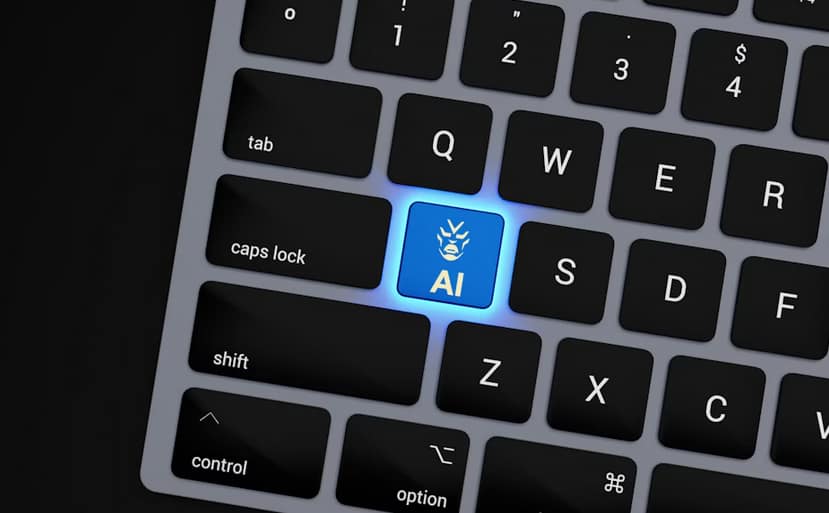
“Where there is wisdom, there is direction.” This old saying reflects how modern workplaces are shifting toward smarter, data-driven decision-making. Artificial intelligence is no longer a future concept—it is already shaping how businesses operate, communicate, and deliver results. From automating repetitive tasks to improving analysis and forecasting, AI is becoming a powerful tool across different industries. However, successful adoption requires more than simply installing new software. It demands planning, employee readiness, and clear goals. Many organizations struggle because they introduce AI without structure or understanding. This article explores practical and effective strategies for integrating AI into your workplace in a way that improves productivity, supports employees, and creates long-term value for your organization.
Start With Clear Business Objectives
Before introducing AI tools, it is important to define what your organization wants to achieve. AI should solve specific problems rather than be adopted for trend purposes. Identify areas where efficiency is low, tasks are repetitive, or decision-making can be improved. For example, AI can be used for customer service automation, data analysis, or scheduling systems. Having clear objectives helps guide tool selection and implementation. Without direction, AI adoption can become disorganized and less effective. A focused approach allows businesses to measure progress and evaluate whether the technology is delivering real value.
Choose the Right AI Tools for Your Needs

Different AI tools serve different purposes, so selecting the right ones is essential. Some tools are designed for communication, while others focus on analytics, automation, or project management. Understanding your workplace needs helps in making better decisions. Avoid adopting too many tools at once. Instead, start with one or two solutions that address your most pressing challenges. This gradual approach reduces confusion and allows employees to adapt comfortably. Over time, additional tools can be introduced based on performance and feedback.
Train Employees for Effective Adoption
Technology alone does not guarantee success; people play a major role in implementation. Employees need proper training to understand how AI tools work and how they can be applied in daily tasks. Training sessions should focus on practical usage rather than technical complexity. When employees feel confident using AI, they are more likely to embrace it. Encouraging questions and hands-on learning helps reduce resistance to change. A well-prepared workforce leads to smoother adoption and better results.
Maintain a Balance Between AI and Human Skills
While AI can handle data processing and repetitive tasks, human judgment remains essential. Creativity, emotional intelligence, and critical thinking are areas where humans still excel. A balanced approach allows AI to support employees rather than replace them. Workplaces should define clear roles for AI systems and human workers. This ensures that technology enhances productivity without reducing the value of human input. Combining both strengths leads to better decision-making and improved outcomes across departments.
Monitor Performance and Adjust Continuously

AI integration is not a one-time process. It requires continuous evaluation to determine whether systems are performing effectively. Regular monitoring helps identify issues early and allows businesses to make necessary adjustments. Gather feedback from employees who use the tools daily. Their insights can highlight challenges and areas for improvement. Data-driven evaluation helps refine processes and improve efficiency over time. Flexibility is key to long-term success in AI adoption.
Prioritize Data Security and Privacy
AI systems often rely on large amounts of data, making security a top priority. Businesses must take steps to protect sensitive information from unauthorized access. This includes setting access controls, using secure platforms, and following data protection regulations.
Employees should also be educated about safe data practices. A strong security framework builds trust and reduces risks associated with digital transformation. Protecting data is essential for maintaining both operational integrity and customer confidence.
Integrating AI into the workplace can significantly improve efficiency, productivity, and decision-making when done correctly. Success depends on having clear objectives, selecting suitable tools, training employees, maintaining balance between human and machine capabilities, and continuously monitoring performance. Data security also plays a critical role in ensuring safe and sustainable adoption. With a thoughtful and structured approach, businesses can fully benefit from AI while supporting their workforce and maintaining operational stability in a rapidly evolving work environment.

